Restoring the Life of Heritage Pages
We breathe new life into damaged volumes, carefully stabilizing fragile paper and repairing bindings so your cherished books endure for generations to come.
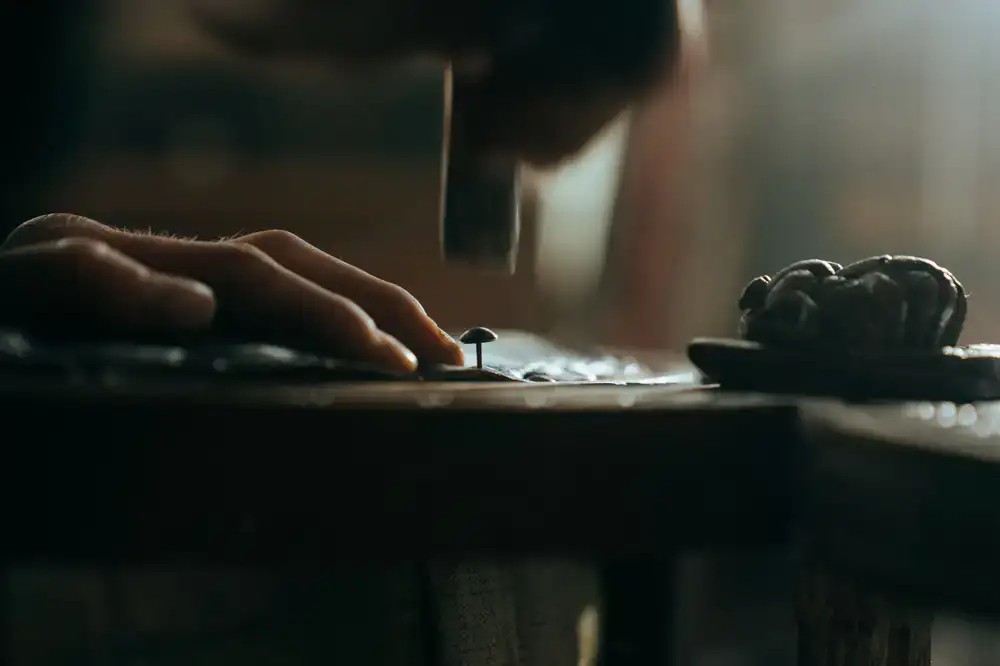
Targeted Repairs for Every Condition
Spine Replacement
When the back of a book completely fails, we craft a new structural spine that matches the original materials while securing the text block.
Paper Cleaning
We remove dirt, debris, and damaging surface residues from individual pages using gentle dry cleaning techniques and specialized sponges.
Tissue Mending
Torn or brittle pages are stabilized using ultra-thin conservation tissues and reversible pastes, rendering the damage nearly invisible.
Our Approach to Repair
We evaluate every volume individually, applying treatments only when necessary. Our goal is to preserve the history of the object while making it functional again.
Condition Assessment
Before any physical work begins, we document the book's current state. We check paper acidity, spine integrity, and the condition of the sewing structure to plan a safe intervention.
Deconstruction
If the binding has failed, we carefully dismantle the book. Old glues are softened and removed, and the sections are separated for individual cleaning and repair without forcing fragile folds.
Restitching
Once pages are mended, we restitch the text block by hand. We use natural linen threads and traditional sewing frames to rebuild a strong, flexible core for the volume.
Reattachment
Finally, the restored text block is returned to its original covers. If the original spine material was saved, we delicately mount it over the new structural spine to maintain its historical appearance.
Preserving Your Volumes at Home
Environment & Storage
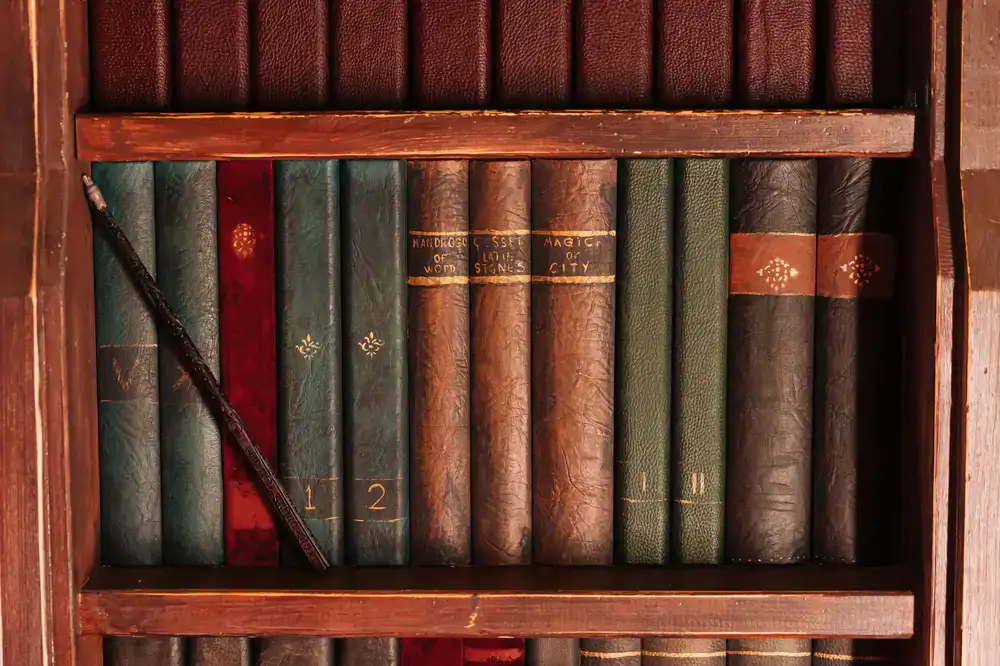
Fluctuations in temperature and humidity are the greatest enemies of paper. Keep your books in a stable room, away from direct sunlight and damp walls. Books should be shelved upright and supported by sturdy bookends, never leaning to one side, which warps the binding over time.
Proper Handling
Always remove a book from the shelf by gripping the middle of its spine, not by pulling on the top edge (the headcap), which tears easily.
When to Seek Help
If a book begins to shed fragments of paper, if the covers detach, or if you notice a white, powdery residue (a sign of active deterioration), it is best to stop handling the book entirely. Place it flat in an acid-free box and contact our atelier. Do not use household tapes or common glues to attempt repairs, as these introduce destructive acids that complicate professional restoration.
Request an evaluationBegin a Restoration Project
Contact our atelier to discuss the condition of your book. We will guide you through the initial evaluation and provide an estimate for the necessary repairs.